 |
Site-Centred
Cassini Mapping |
15
High Street, Upton upon Severn
Worcs. WR8 0HJ
Tel: 01684 593146
or 0800 085 40 80 (UK only)
themapshop@btinternet.com |
|
Site-Cented
Cassini Mapping
Cassini's maps
are digitally enhanced reproductions of the original Ordnance Survey
maps covering both England and Wales. These include the
Count Series 1:2500, Six Inch to Mile County Series, Old Series,
Revised New Series, Revised New Series (Colour),
Popular Edition and the New Popular Edition.
We can
produce customised site-centred maps of your choice, centred on
your desired location.
To order you
own site centred Cassini map, see the listing of all the available
mapping series below, along with their approximate dates.
Please note - the dates given are approximate and do vary depending
on your location. If your final date falls outside of the range
stated, we will let you know to confirm, on receipt of you order.
We will make any necessary amendments.
|
When ordering,
you will need to choose and specify -
-
Whether you
would like the map Flat or Folded
-
Where you would
like your map centred
-
What title you
would like to give your map (By default, the map will be titled with
the series, scale, and date (e.g. County Series 1:2500 - 1885-1886)
|
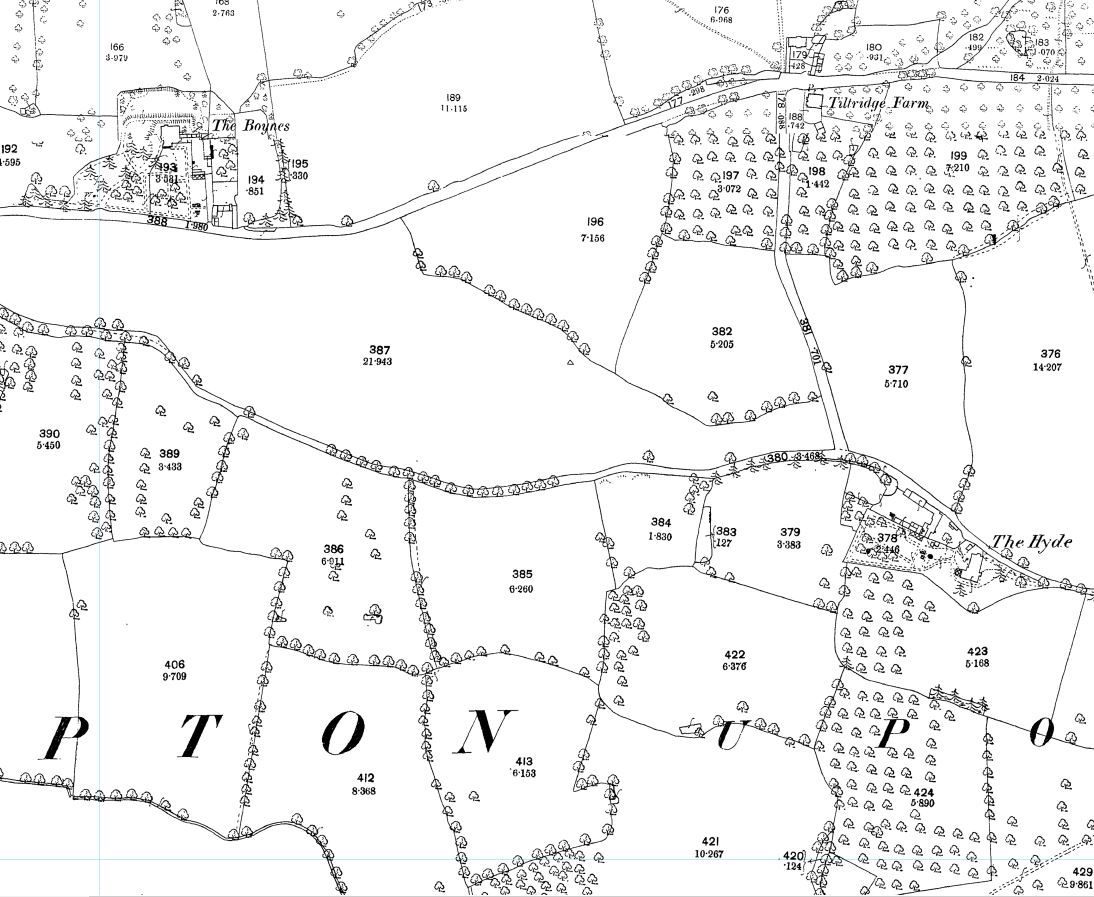 |
County
Series 1:2500 - Dated between 1853-1896
Scale:1:2500
The origins of the 1:2500 maps
date back to 1840 when it had been decided to extend the 1:10,560 series
mapping project to cover the whole of Great Britain. However, it
soon became clear that more detailed maps were needed. After
prolonged debate about the scale, format, and cost of the new surveys it
was eventually agreed that the whole country would be surveyed at
1:2,500 except for areas of moorland and mountain where 1:10,560 was
deemed sufficient. It was the first Ordnance Survey series to use
a metric scale from the outset and is this the only one which has not
bee necessary for Cassini to enlarge for it to match present-day mapping |
Order -
Folded
Order - Flat |
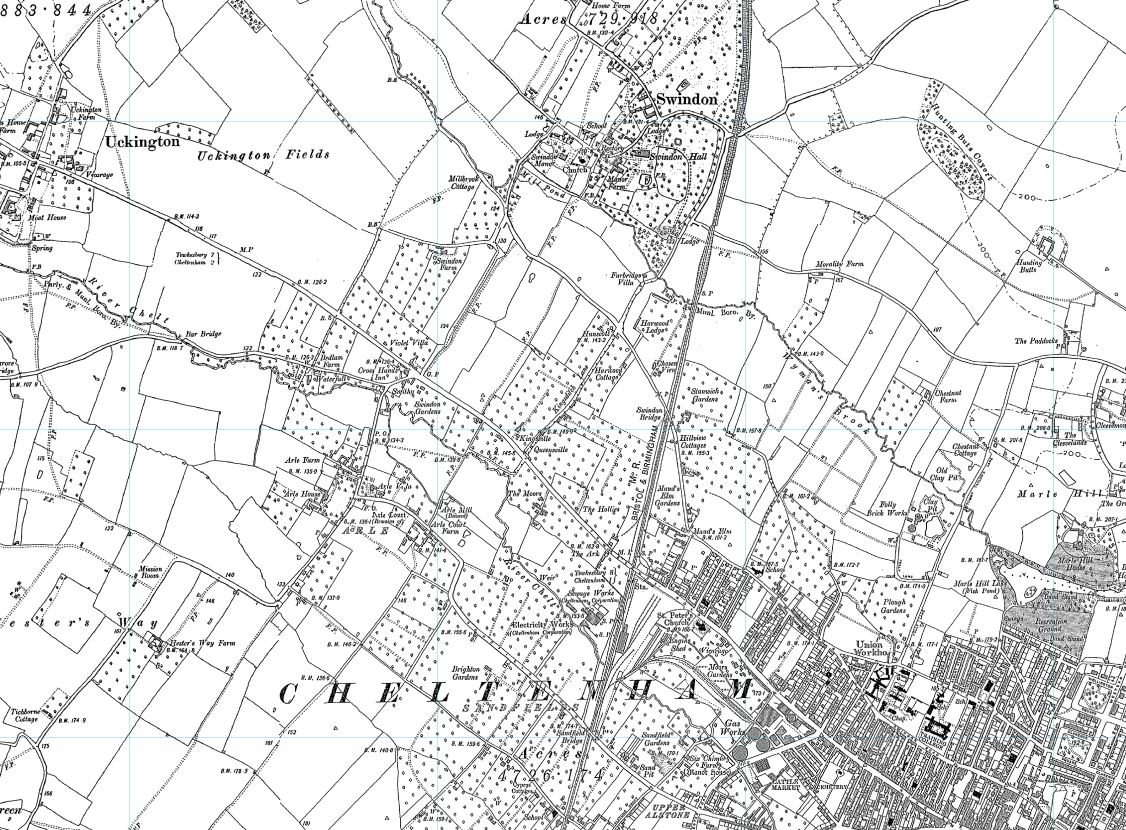 |
County
Series Six Inch - Dated between 1846 - 1910
Scale 1:10,000
The origins of the six inch to
the mile maps date back to 1824 when this scale was adopted for a survey
of Ireland. By 1840 it had been decided to extend the project to
Great Britain. Work began in Lancashire and Yorkshire in 1841 and
in Scotland in 1843 with the first sheet appearing in 1846. It was
not until 1890 that maps covering the whole country had been published,
a series known as the County Series. |
Order -
Folded
Order - Flat |
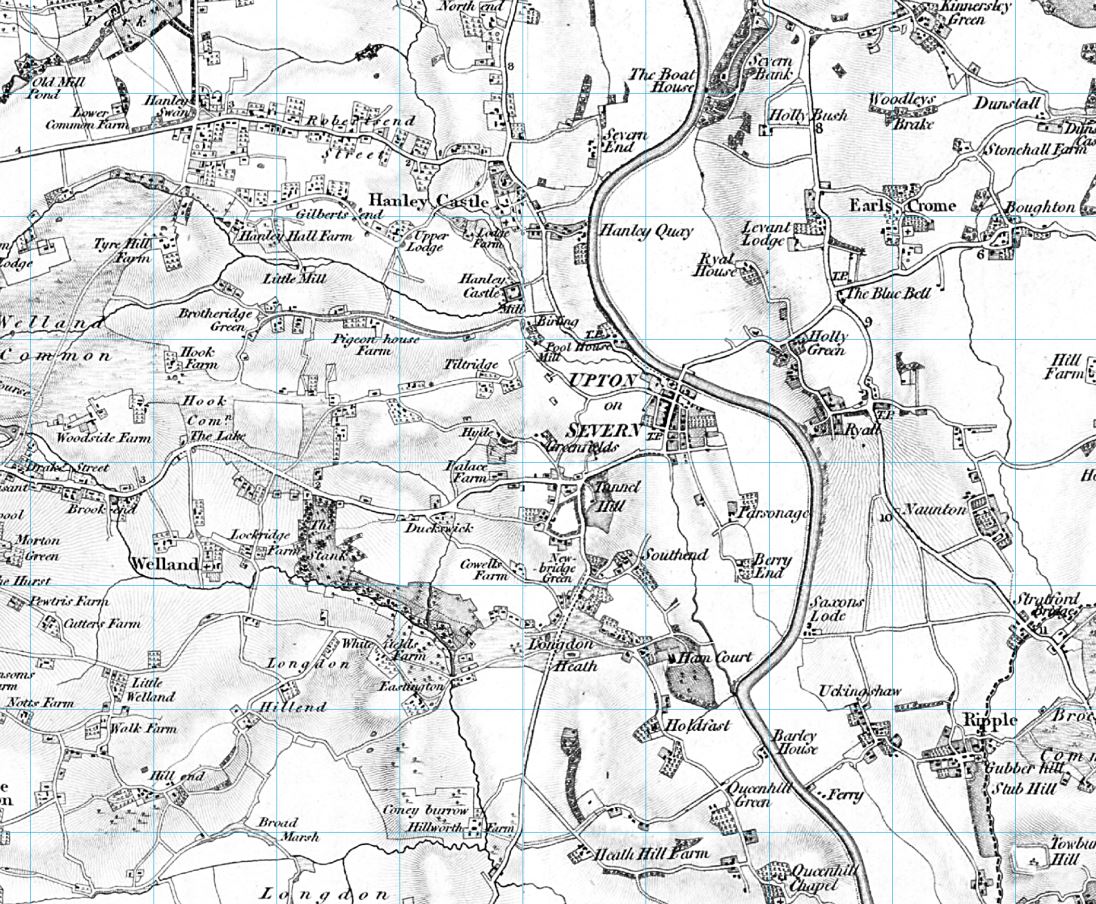 |
Old
Series - Dated between late 1790s - 1874
Scale 1:50,000
These maps were the result of
the first ever national survey of England & Wales and provide a
snapshot of the human geography of Britain in the mid-19th
century. These maps are taken from the Ordnance Survey One-Inch
'Old Series' sheets, surveyed between 1791 and 1874 and published - with
many revisions and new editions - between 1805 and 1874. The
Ordnance Survey's 19th-century cartographers managed to create, without
most of the technology that today's map-makers take for granted, an
elegant and accurate survey of Britain at this crucial time in history. |
Order -
Folded
Order - Flat |
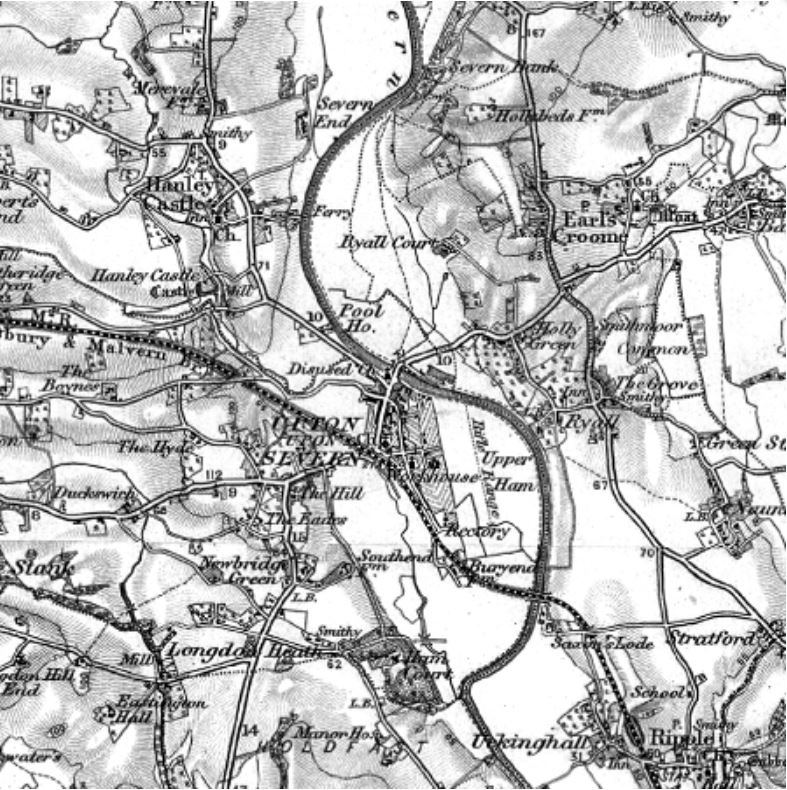 |
Revised
New Series - Dated between 1893 - 1904
Scale 1:50,000
Within a few decades of the
first appearance of the Old Series, it had become clear that the process
of surveying, revising and re-publishing maps of Britain was to be a
never-ending task. During the 1840's the government and Ordnance
Survey took several measures to address this. Following surveys at
the six-inch and 1:2500 scale, Ordnance Survey began work on
re-surveying the country. From this they obtained the basis for a
new one-inch map published between 1846 and 1890, and later to be known
as the New Series. In 1893 a more thorough revision was undertaken
which resulted in the publication from the early 1890s of a revision to
the New Series - the Revised New Series. |
Order -
Folded
Order - Flat |
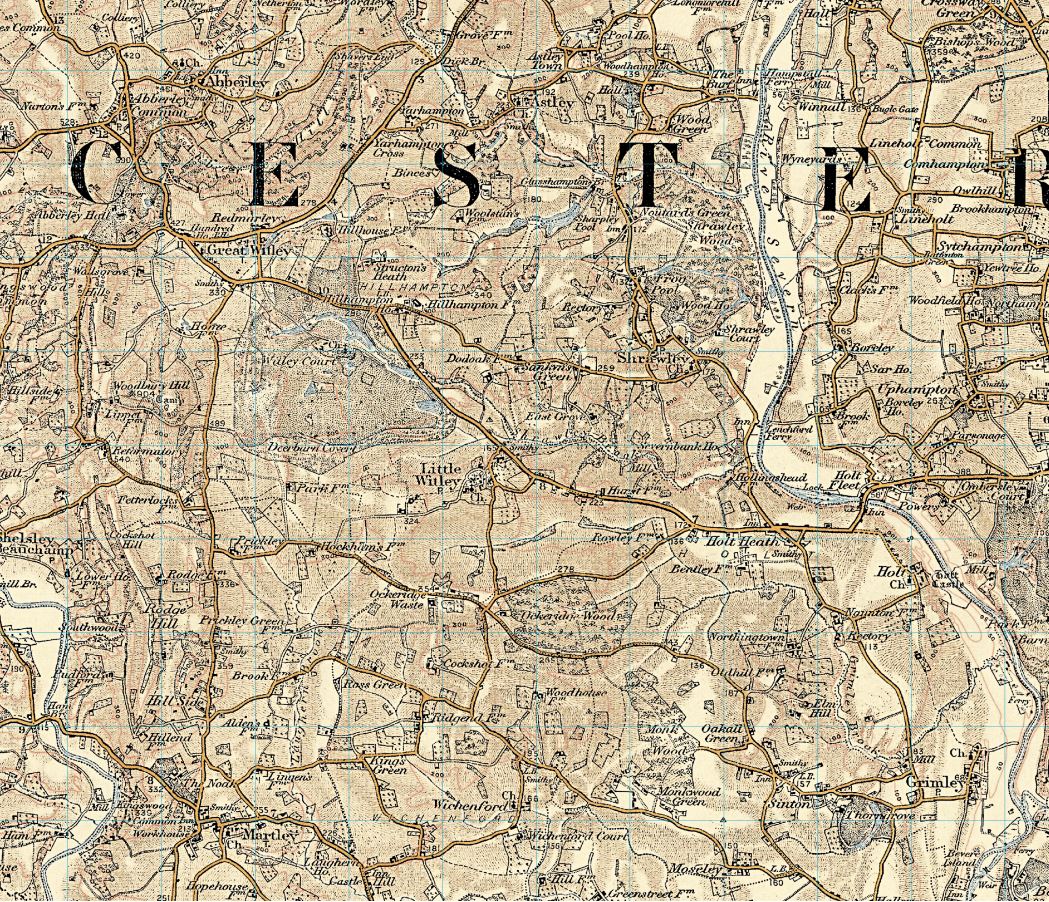 |
Revised
New Series (Colour) - Dated between 1896 - 1904
Scale: 1:50,000
After a new survey in the early
1890s, the Revised New Series (in colour) was published from 1896, the
first coloured one-inch map series. This captured both the variety
of the natural landscape and the human influence of Britain's
late-Victorian heyday. It is an immaculate record of a vibrant
society on the threshold of a still greater period of development and urbanisation.
It records countless reminders of the past, many of which were about to
be swept away for good. For local historians, this is the final
record of you part of the country before the changes brought by the
motor car. If your interest is genealogical, the series coincides
with the 1901 Census, showing the landscape your ancestors inhabited. |
Order -
Folded
Order - Flat |
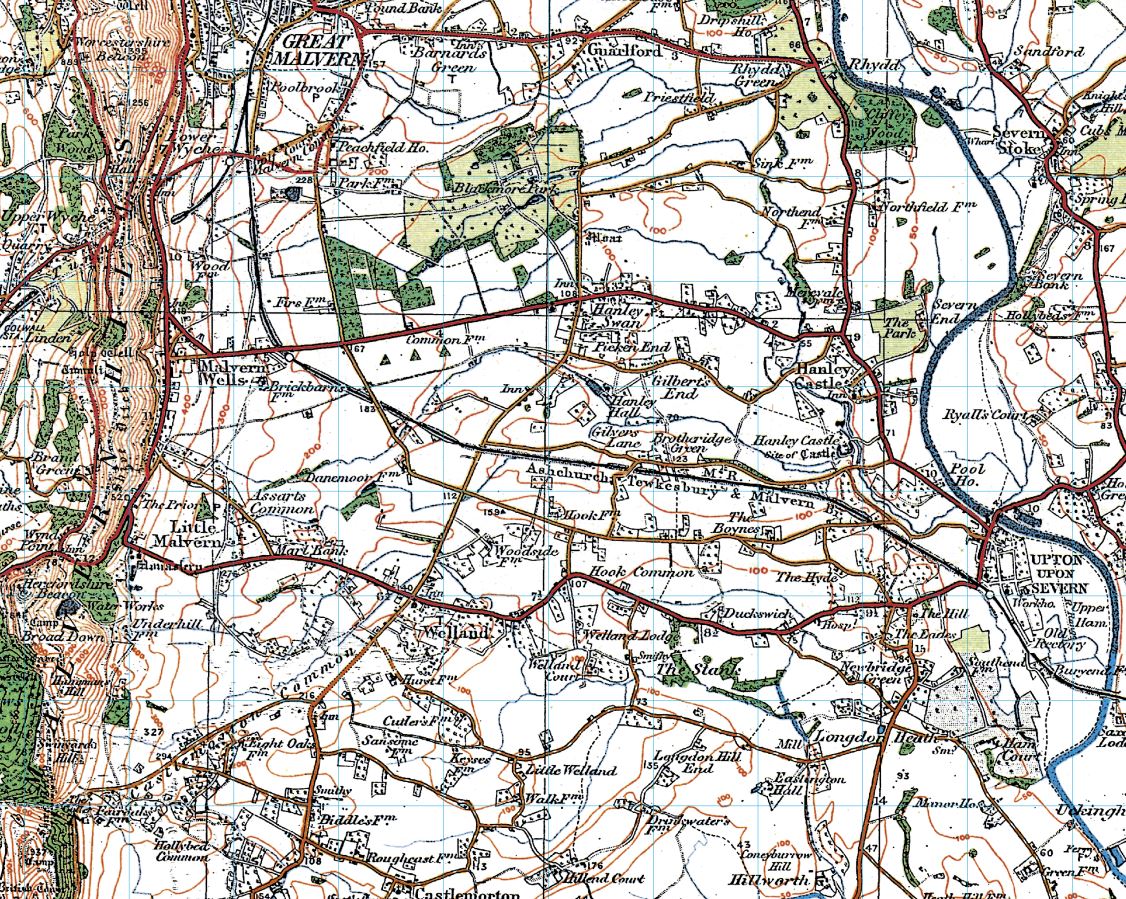 |
Popular
Edition - Dated between 1912 - 1926
Scale 1:50,000
The original Ordnance Survey
Popular Edition series was published just after the First World War and
was the first to be conceived from the outset as a mass-market product,
and the first to be produced in full colour. The new technology
was put to the test in catering for a wholly new market. If the
railways were the transport revolution of the 19th century, the motor
car was certainly that of the 20th - accurate, relevant and up to date
maps ere needed. The Popular Edition provided them. For the
first time the gradations of the road network were described, with each
route being coloured according to its suitability or otherwise for motor
traffic. |
Order -
Folded
Order - Flat |
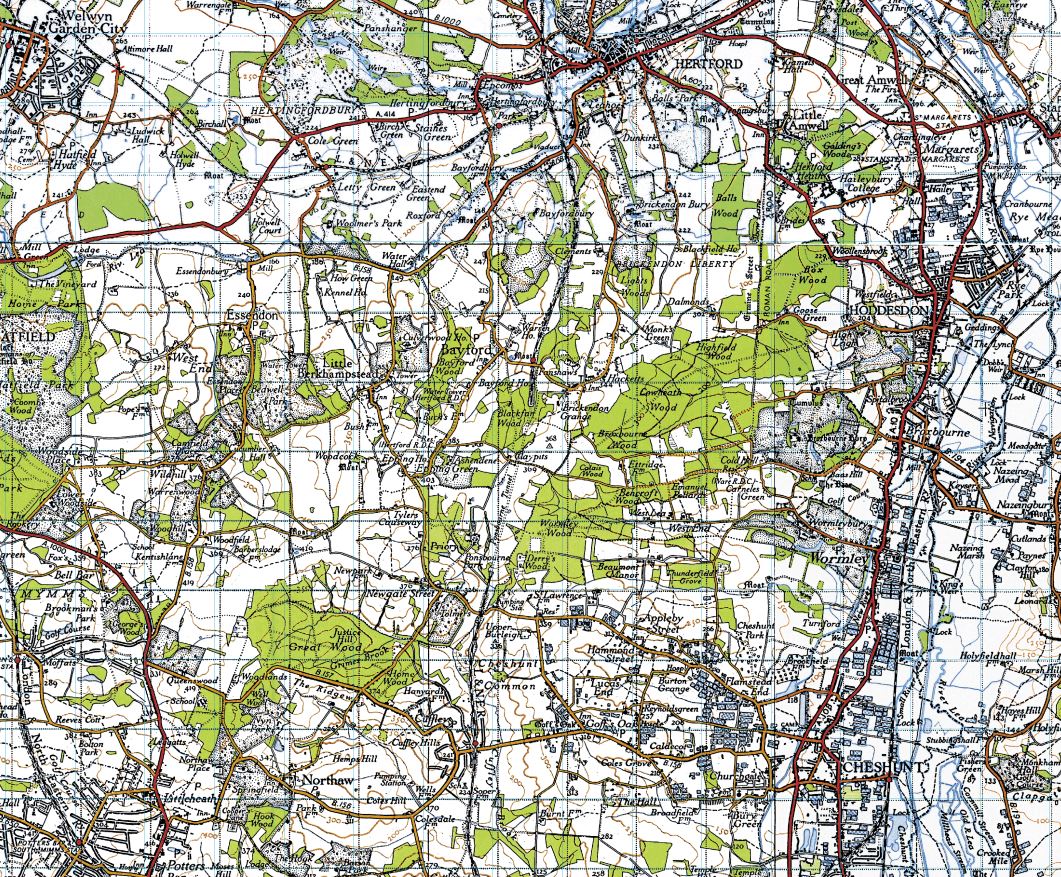 |
New
Popular Edition - Dated between 1945 - 1948
Scale 1:50,000
If the Old Series describes the
age of the horse and cart, the Revised New Colour that of the railways
and the Popular Edition that of the dawn of the motor car, the New
Popular Edition of the late 1940. is perhaps the map of the
planner. Many schemes were proposed in the post-war years,
including motorways, airports, new towns, and retail parks. Many
were implemented, others were not. The New Popular Edition
elegantly captures the raw material which planners and developers were
to use to create the Britain that we know today. |
Order -
Folded
Order - Flat |
Please
contact us for further information
Tel:
01684 593146
Freephone (UK): 0800 085 40 80
email: themapshop@btinternet.com
The
Map Shop, Walking and road Maps, Kompass Maps, Michelin Maps, Online, UK,
European and Worldwide.
Please contact us on
Freephone: 0800 085 40 80 (UK only)
or
Telephone: 01684 593146 (International: +44 1684 593146)
ŠThe Map Shop - Website
created and maintained by The Map Shop, Upton upon Severn.
All prices correct at time of last update.
|